
diff options
| author | Eltrac <hi@guhub.cn> | 2025-09-18 12:10:10 +0800 |
|---|---|---|
| committer | Eltrac <hi@guhub.cn> | 2025-09-18 12:10:10 +0800 |
| commit | b5459bb788702ff80214cdd7e52c334f096b9f3f (patch) | |
| tree | 8c949ff2879308ff0eb077eabbe893830bc4ef91 /content | |
| parent | b792bbf06fd202aea6e42fd6310e3cd670532c1e (diff) | |
docs: new English draft
Diffstat (limited to 'content')
| -rw-r--r-- | content/en/posts/english-centric-icons.md | 45 |
1 files changed, 45 insertions, 0 deletions
diff --git a/content/en/posts/english-centric-icons.md b/content/en/posts/english-centric-icons.md new file mode 100644 index 00000000..f24a4ec7 --- /dev/null +++ b/content/en/posts/english-centric-icons.md @@ -0,0 +1,45 @@ +--- +title: English-Centric Icons +date: 2025-09-18T10:50:00 +draft: true +toc: true +--- + +As a bilingual and someone who works on a computer for like 8 hours a day, I've made some observations on various icon designs. One specific type of icons let my attention linger a little bit long and wonder: Is this good design or not?<!--more--> + +## Pun intended? + +Discord, the group chat app, has some features that divide users into different small chat groups, which are called servers, channels, and threads. Basically, you create or join a server about a specific topic or belonging to a certain organization, and this server consists of various channels for different communication purposes. Under a channel, you can start a thread if you find yourself constantly talking about the same stuff, which acts as a "sub-channel". + +The channel icon is pretty simple. It's a hashtag. Generally, `#` means nothing so we can assign different meaning to it in different contexts. I don't remember what the old thread icon looked like, but in a previous update, Discord changed thread icon to an actual "thread" 🧵. + +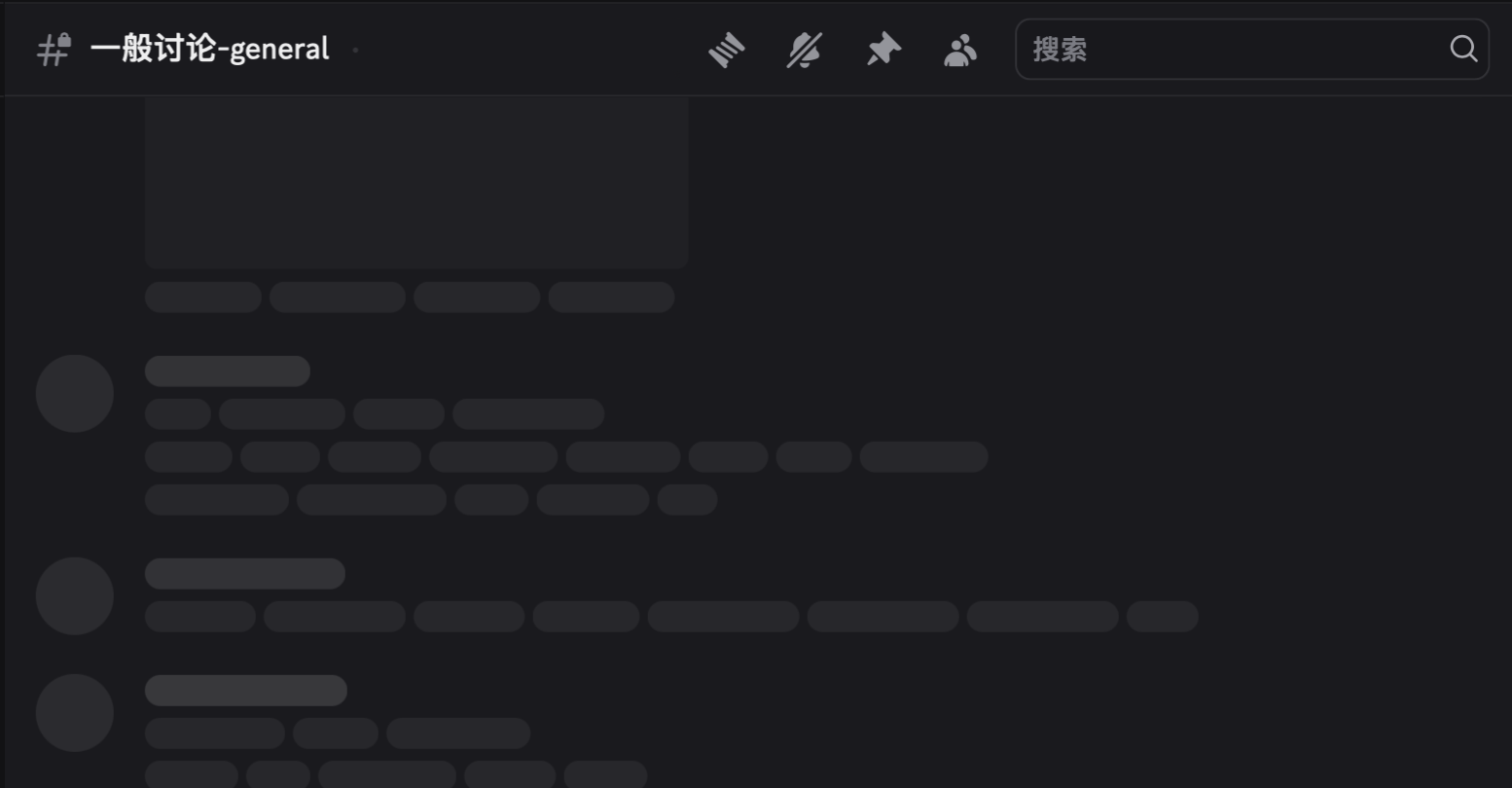 + +This makes sense for English speakers. Thread can mean both things, a series of connected posts/chats or a long thin string your grandmother knit with. But for those who speak a different language, this can be really confusing! + +My interface language is Chinese. The Chinese translation of "thread" is 子区, which simply means sub-channel. In Chinese, threads and sub-channels are completely unrelated. I also took a quick peek at the French version. Thread is called "fils" in French, meaning "son", considering channels are parents of threads in a sense. + +I believe many other languages have different names for threads, most likely not related to the actual thread. + +This is not the only case. In IntelliJ IDEA, a well-known Integrated Development Environment for Java, some icons are also pretty English-centric. + +The icon for external libraries looks like a bar chart, but it was meant to be three books that has different sizes, meaning "library". In Chinese, a library in software context is called 库, meaning a warehouse, a storage unit, or a garage. It has nothing to do with books or actual libraries. + +{{< gallery >}} + + +{{</ gallery >}} + +In Java, we call a well-encapsulated class a Bean, most likely referred to coffee beans since java is actually a kind of coffee. As you can see, the icon for Beans is actual coffee beans. Though we don't really have a translated name for Beans in Chinese,[^1] many programmers who's not familiar with the language don't think about real beans when they use the term, so it's hard to connect the dots. + +Threads, libraries, and beans have multiple names, referring to an abstract concept in computer world and an actual object existing in real world. It seems like smart design to refer abstract concept with real-world object, but it all depends on the language people speak. + +## Language-independent icons + +Let's take a look at another interesting example. + +Like thread, pin means both things, an action to attach an item to a fixed position, and a pointy device used for fastening objects together. So, is the icon 📌 (push-pin) a bad choice? Actually, no! You see, the reason why people made that metaphor is because pinning an item on graphic interface resembles pinning a piece of paper on a board in real life. We've all used or seen a push-pin before, so it makes sense even without languages. However, when we are knitting with threads, it looked nothing like a conversation! + +When it comes icon design, it's importantly to think about what images pops into people's mind when they see the icon, not the name they call it. + +[^1]: We just use the English name "Bean". It's a loanword, I guess. |